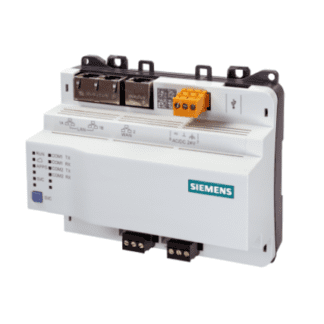
Intelligent energy saving using a Siemens automation system
Siemens automation system it is an intelligent building services control system that automatically optimises the operation of heating and ventilation, for example. Its core task is to significantly reduce energy consumption and operating costs while guaranteeing stable and comfortable conditions for the building's occupants.
In property management, energy efficiency is no longer a choice, but a necessity. Constantly fluctuating energy costs and tightening regulations force the search for ways to manage consumption without compromising indoor environmental quality or user comfort. The solution is not shutting down equipment, but controlling it more intelligently and on a demand-driven basis.
This is where modern building automation steps in. Instead of the property's systems operating as isolated islands according to fixed schedules, the Siemens automation system combines them into a single, responsive entity. It acts as the building's brain and nervous system, continuously gathering information about its environment and making split-second decisions based on it. The system ensures that spaces are not heated or cooled unnecessarily and that ventilation matches the actual rate of occupancy – resulting in intelligent, proactive and, above all, economic operation.
Data analytics reveals cost-saving areas
A modern Siemens automation system not only controls building services, but it also continuously collects a vast amount of valuable data on building operations. Merely visual inspection or adjustment based on assumptions often leaves the most significant energy hogs hidden. Data analytics brings these latent problems and saving potentials to light in an indisputable manner.
How does the system collect and utilise data?
At the heart of the process are sensors located in the field, which continuously measure things such as temperatures, pressures and CO2 concentrations. This information is transmitted to controllers, which make operational decisions. At the same time, all measurement data and system operation logs are saved in the control room software, such as Desigo CC. This creates a detailed digital history of the building's behaviour, which can be analysed to find potential savings.
Typical examples of data exposure issues
Without systematic data monitoring, many phenomena that impair energy efficiency go completely unnoticed. By analysing the collected data, it is possible to identify concrete problem areas that cause unnecessary consumption:
- Simultaneous heating and cooling: The system might unwittingly heat and cool the same space through different circuits, fighting against itself. This is one of the most common and expensive hidden costs.
- Poorly timed ventilation: Ventilation can operate at full capacity in spaces where there are no occupants. Demand-controlled ventilation using CO2 sensors directs ventilation to where it is actually needed.
- Suboptimally functioning devices: Data can reveal that a pump or fan is continuously operating in its inefficient range. With minor adjustments, the equipment can be made to operate optimally, which saves energy and extends the service life of the device.
- Abnormal consumption peaks: The analysis can reveal unexplained consumption spikes that repeat at a specific time of day or day of the week, the cause of which can be investigated and rectified.
This data-driven approach shifts property maintenance from reactive repair to proactive and strategic optimisation. Siemens automation system provides the keys not only to controlling the present, but also to the continuous improvement of future cost savings.
Savings in numbers and practice: How does the system pay for itself?
Investing in a modern Siemens automation system is not merely an expense, but a financial decision that delivers measurable savings and enhances the property's value. The system's ability to optimise energy consumption and streamline equipment operation leads to direct cost savings that pay back the investment throughout its entire lifecycle.
Concrete cost-saving targets and their potential
Savings do not stem from a single source, but from the combined effect of many intelligent operations. Through systematic management, significant efficiency is achieved across multiple areas.
- Heating energy consumption: This is often the single biggest area for savings. The system adjusts the heating as required, utilising outdoor temperature compensation, night-time temperature reductions and room-by-room control. Typical energy savings on heating alone can be 15–30 % compared with an old, poorly adjusted system.
- Electricity consumption of ventilation: Demand-controlled ventilation is another significant factor. By controlling the power of the ventilation units according to the actual use of the premises and the carbon dioxide level, unnecessary electricity consumption is avoided. Reducing the fan power saves electricity exponentially.
- Predictive maintenance: Continuous monitoring and data analytics identify developing faults before they cause costly equipment breakdowns or a rise in energy consumption. This reduces unexpected repair costs and extends the lifespan of the equipment.
- Cooling optimisation: The system can utilise, for example, cool nights and the free-cooling potential of outdoor air, which reduces the need for mechanical cooling and saves a significant amount of energy during the summer months.
Payback period of the investment
The payback period of a building automation system depends on the starting level, scope and energy costs of the property. In older properties where automation is lacking, the investment can pay for itself in just a few years. Typically, the payback period is 3–7 years.
Savings achieved after this are a direct return for the property owner. A efficiently functioning Siemens automation system is therefore one of the most profitable long-term investments for improving the property's value and economic performance.
Efficiency of the integrated system
The greatest benefit of modern building automation is achieved when separate building services systems are integrated into a seamless whole. A Siemens automation system is not just a heating or ventilation controller, but acts as a central unit that enables all the property's systems to communicate with each other and work towards a common goal: achieving maximum efficiency and optimal conditions.
Issue: Siloed systems
In the traditional model, a property's heating, ventilation, air conditioning and lighting operate on their own separate logics. This inevitably leads to inefficiency and energy waste. The cooling system may try to cool a space that the heating system is simultaneously heating. The heat load generated by lighting is not taken into account in heating control, and ventilation can run at full power in empty spaces. Each system strives to perform only its own task without understanding the big picture.
Solution: Comprehensive control with a single system
Siemens automation system, which is based on open communication protocols such as BACnet or KNX, breaks down these silos. It collects data from all areas and uses it for intelligent, coordinated control.
- Put presence data to good use: When the space is unoccupied, the system can automatically lower the target temperature, reduce ventilation to a minimum, and turn off the lighting.
- Window monitoring: A window-mounted sensor tells the system when a window is open. In this case, the heating or cooling for that room switches off automatically so that energy is not wasted.
- Utilisation of sunlight: The system can control the venetian blinds to prevent excessive sunlight in summer, which reduces the need for cooling. In winter, the blinds can be kept open to utilise solar thermal energy for space heating.
This integrated approach ensures that all measures support each other. The result is a property that functions as a harmonious whole, minimising energy consumption while maximising user comfort. The system does not merely adjust, but actively and intelligently optimises the property's operation.
Steps towards a predictive property
The transition to smarter and more energy-efficient property maintenance is a process that starts with the identification of a need and progresses through professional implementation to continuous optimisation. Whether it is a question of modernising an old system or building a completely new one, the right partners and components are key to success.
1. Assessment of the current situation and setting objectives
The first step is to understand the current state of the system and its main challenges. Is energy consumption high? Are indoor conditions inconsistent? Do the systems operate reliably? Setting clear targets – such as a 20 % reduction in energy costs or a more consistent indoor temperature – guides the planning of the project and helps to measure its success.
2. Professional design and contracting
A successful building automation project requires deep expertise. System design, programming and commissioning are critical phases that determine the efficiency of the final result. In these tasks, a reliable partner is essential. Our partner Elvis offers expert contracting services with decades of experience in the design, installation and maintenance of Siemens automation systems.
3. Sourcing of high-quality components
System reliability and longevity are based on high-quality components. When original and tested Siemens products are needed for a project, the Helvis Express online shop delivers them efficiently. The wide range covers everything needed from sensors and actuators all the way to controllers and spare parts.
- Fast and reliable deliveries: Real-time stock balance display ensures that you get the parts you need quickly to the site.
- Comprehensive selection: All key Siemens components can be found in one place, which makes the procurement process easier.
- Easy ordering: A clear online shop makes ordering effortless round the clock.
Combining professional design and installation with high-quality Siemens components ensures that the property transitions efficiently towards a proactive and energy-efficient future. The investment pays for itself not only through lower operating costs, but also via improved reliability and higher occupant satisfaction.
Do you need help with installation or maintenance?
Helvis Express focuses on the expert sales of high-quality HVAC products and rapid deliveries. When your project also requires contracting, installation or maintenance services, our partner Helsingin LVIS Säätölaitepalvelu Oy happy to help. Proceed to read more and contact their experts.
Related posts
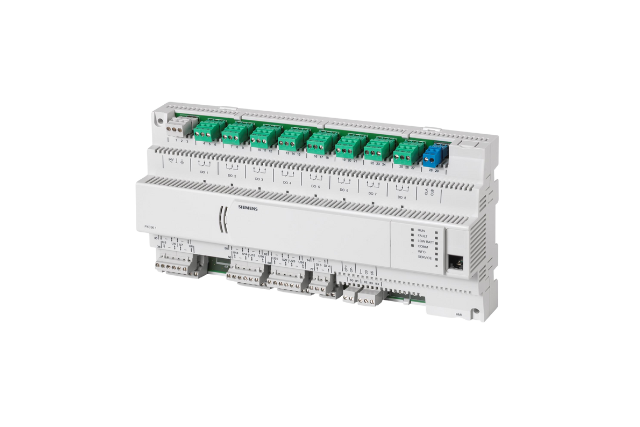
Substation communication protocols: What bus solutions must modern building automation support?
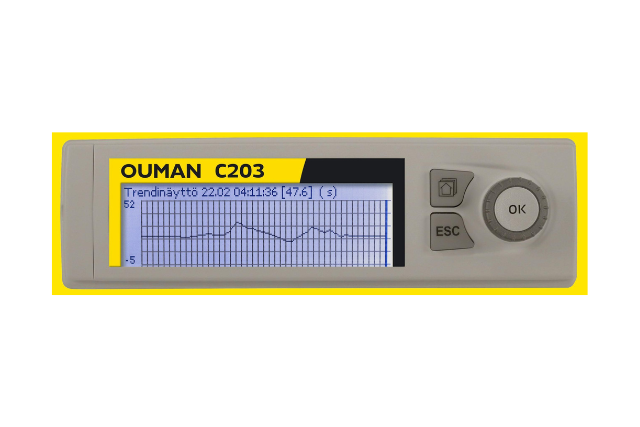
Ouman heating controller and spot price electricity in 2026: How to optimise property heating for the cheapest hours
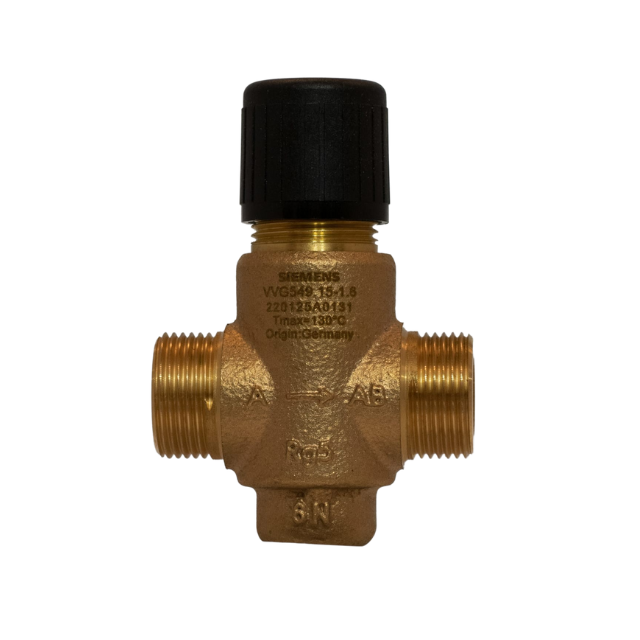
Commissioning valves in the heating network and their role in hydronic balancing
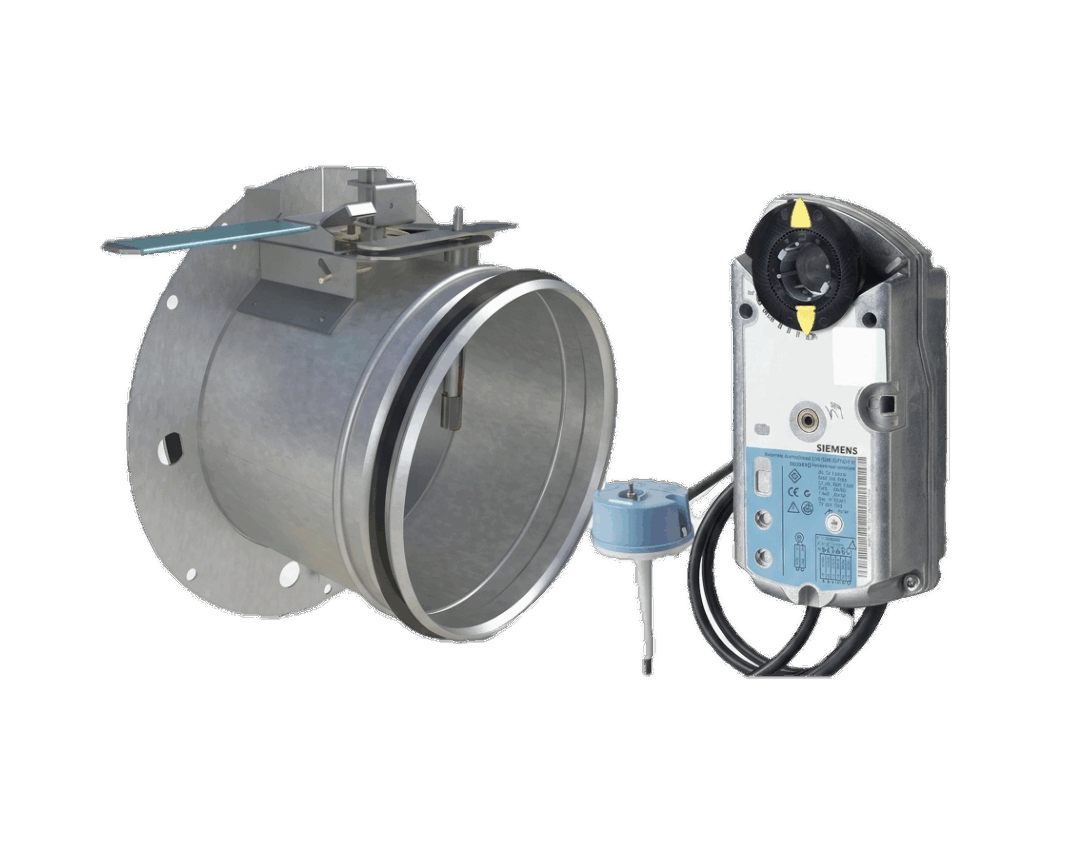
Fire damper functionality testing: How often must the statutory inspection be carried out?