
We deliver products within as little as 24 hours all over Finland.
HELVIS Express Oy is a wholesale company specialising in building automation.
Siemens PXC36.1.D, Siemens automation system

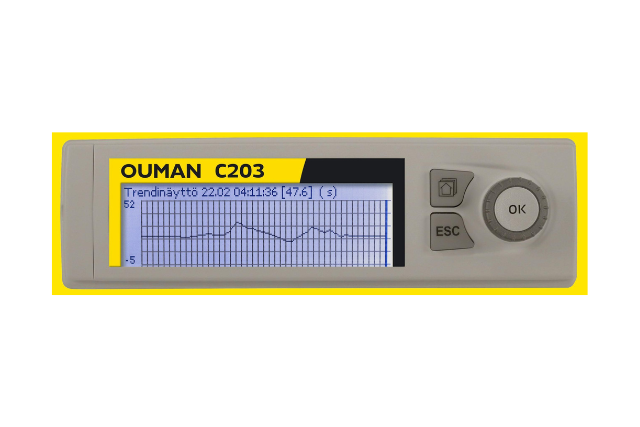
Substation communication protocols: What bus solutions must modern building automation support?

In the field of building automation, the importance of data communication is constantly increasing. In addition to acting as an independent control unit, a modern outstation must maintain a reliable connection with dozens of different field devices and higher-level systems. When the various areas of building services are closely integrated, significant benefits are achieved in both energy consumption and maintenance costs. This requires the outstation and its controllers to have a broad capability to understand various standardised bus protocols without complex gateways or expensive, system-specific interfaces.
(more…)

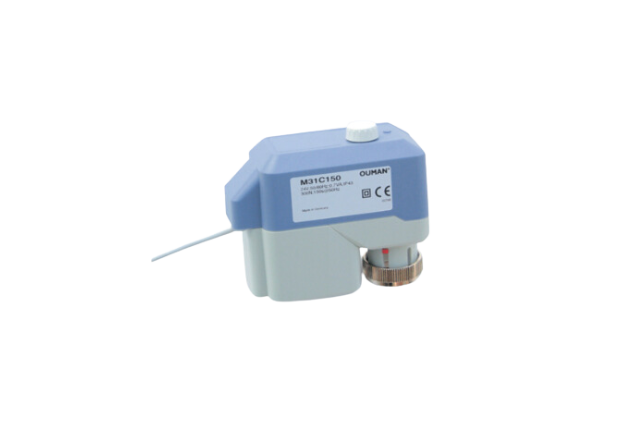
Ouman heating controller

Ouman heating controller and spot price electricity in 2026: How to optimise property heating for the cheapest hours

Fluctuations in exchange-traded electricity prices are placing new demands on property heating systems. By 2026, mere fixed outdoor temperature control will no longer guarantee effective energy cost management. Building automation is required to have the dynamic capability to react to price spikes in the electricity market. A reliable Ouman heating controller forms the technical foundation that allows a property's heating loads to be shifted to the cheapest hours of the day without compromising indoor temperatures or living comfort.

Utilising the control logic and heating curve of the Ouman controller in dynamic price control is based on careful planning. When optimising the system, it is necessary to take into account concrete switching events, the utilisation of the building's thermal mass, and the fine-tuning of the heating curve setpoints at a professional level.

(more…)

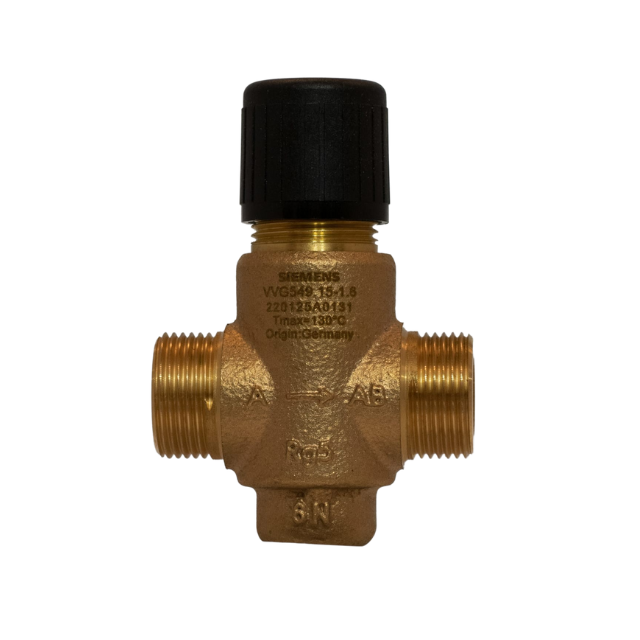
Siemens valve

Commissioning valves in the heating network and their role in hydronic balancing

The energy efficiency and indoor climate stability of modern buildings rely heavily on how precisely the fluid flows in the heating network are managed. Hydronic balancing is the process in which the flow rates of the heat transfer fluid are adjusted to match the actual demand of each heating element or part of the network. Without this balance, the heating network operates uneconomically, causing spaces close to the pump to overheat and the furthest parts to suffer from the cold. Commissioning valves are essential components of the system that ensure correct flow conditions in all load situations.

(more…)

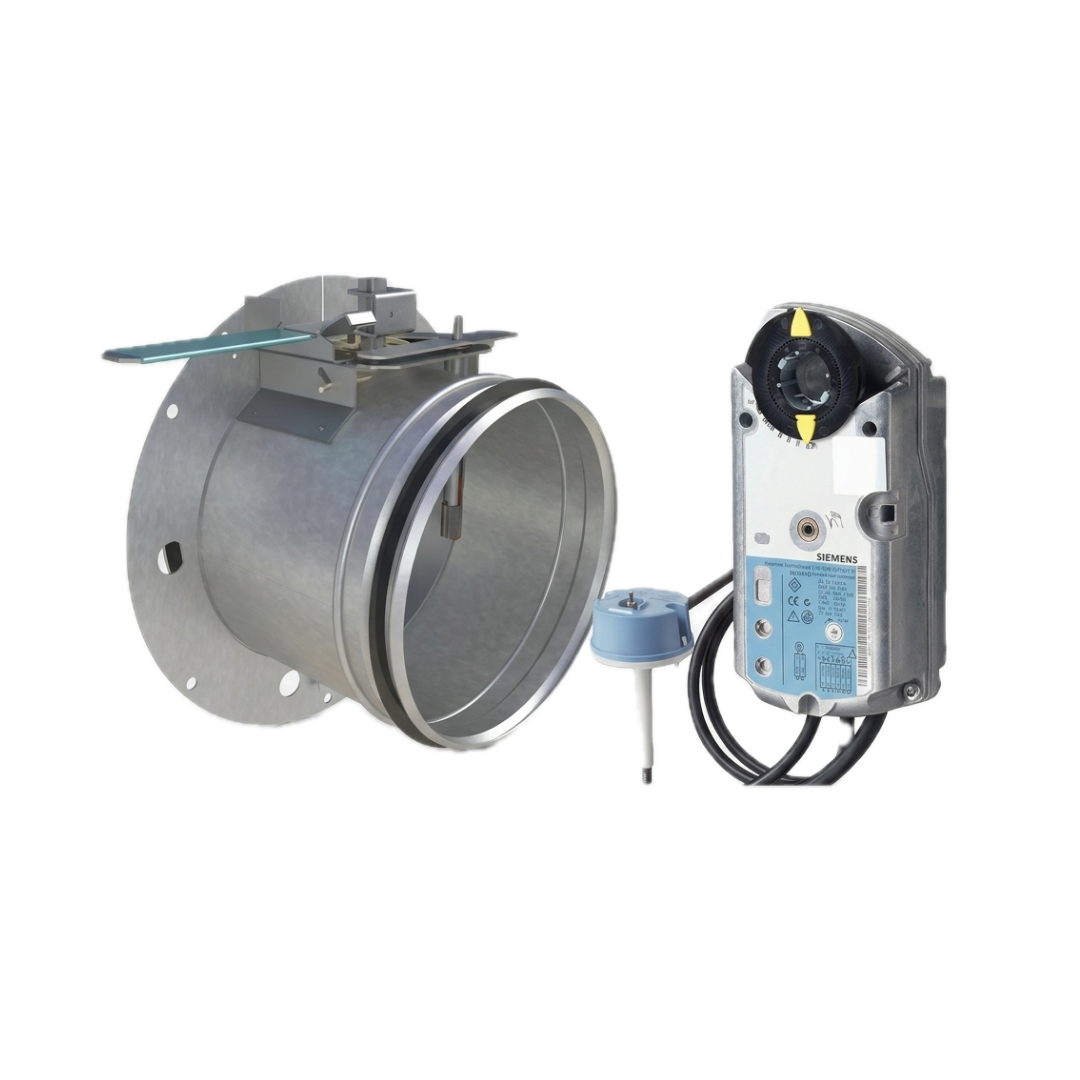
Halton fire damper with motor FDI-200 GNA126.1ET12 Helvis Express

Fire damper functionality testing: How often must the statutory inspection be carried out?

Property fire safety requires functioning protection systems that react immediately in emergencies. A fire damper system installed in the ventilation system plays an important role here. The function of fire dampers is to prevent the spread of toxic fire gases and flames from one fire compartment to another via ventilation ducts. Because these devices only operate when needed and are often hidden within structures, their operational condition must be ensured through regular and systematic testing activities. Statutory inspections and maintenance are mandatory measures to safeguard human lives and protect property from significant damage.


(more…)

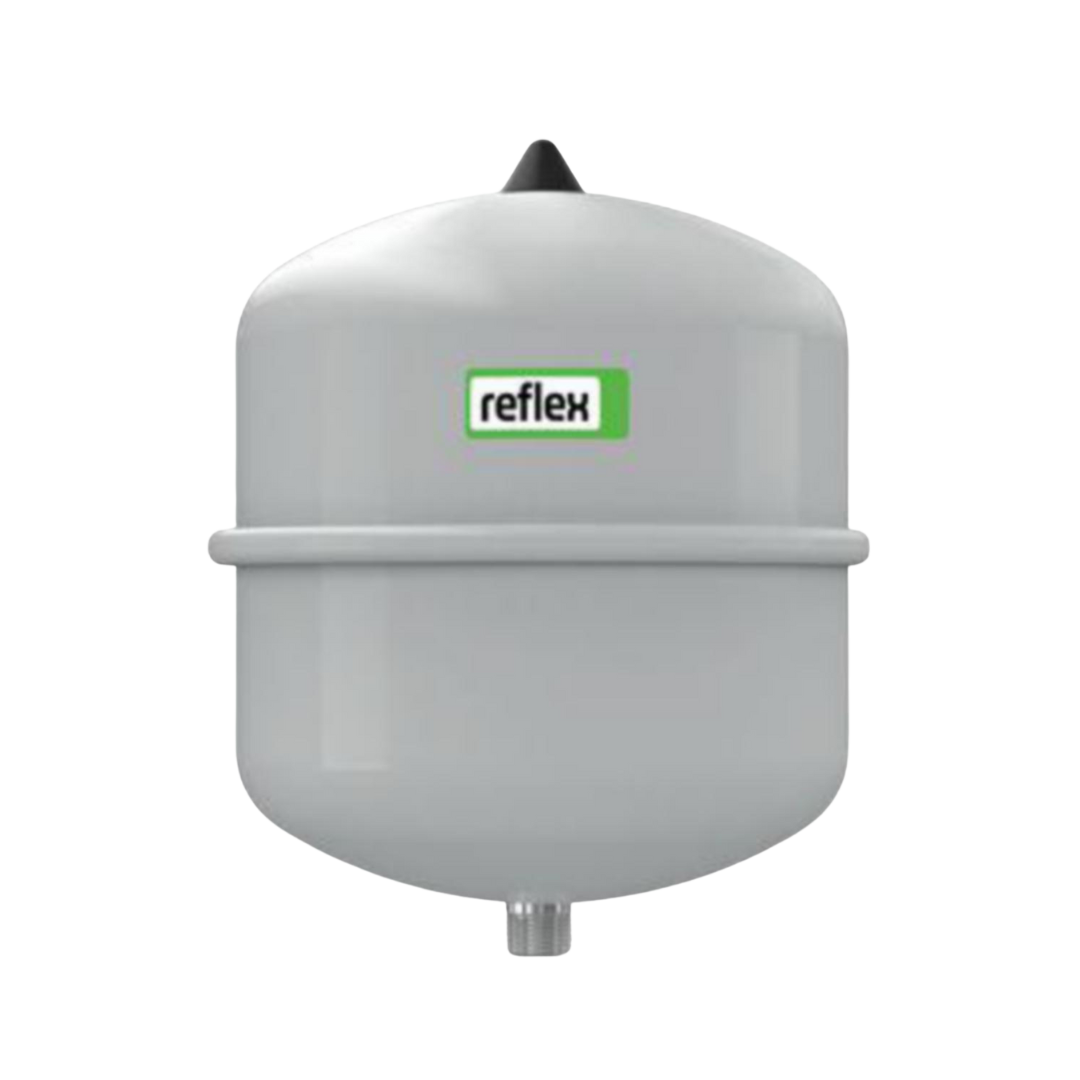
Reflex expansion vessel 18L

Nitrogen-filled diaphragm expansion vessels: Why does the nitrogen charge extend the maintenance interval and protect against corrosion?

Pressure management in a closed heating and cooling system is a fundamental prerequisite for the functionality of building services engineering. The diaphragm expansion vessel accommodates the change in volume caused by the thermal expansion of water and keeps the system pressure stable. Traditionally, ordinary compressed air has been used for the pre-pressurisation of these vessels, but modern HVAC engineering is increasingly moving towards nitrogen-filled solutions. The nitrogen fill (N2) extends the lifecycle of the system, lowers operating costs and improves corrosion protection. Nitrogen-filled diaphragm expansion vessels have indeed become the industry standard for professionals, as they significantly improve the reliability of building services engineering and reduce the need for service call-outs.

(more…)

Selection of fire dampers: What is the difference between a mechanical and a motorised fire damper?

Property fire safety is largely based on invisible but all the more important passive protection systems. Ventilation ducts run throughout the entire building. Without proper compartmentation, in the event of a fire they act as efficient spreaders of flames and toxic flue gases. Therefore, functional fire compartmentation is an essential part of every HVAC plan and property safety structure in accordance with the SFS-EN 15650 standard.

When selecting fire dampers for a building, the key question that arises is the difference between mechanical and motorised solutions. Both types of equipment have their own role in property protection, but their operational logic, reaction speed and the amount of maintenance required differ significantly. The following compares the key differences between these two technologies to make it easier to choose the right solution.

(more…)

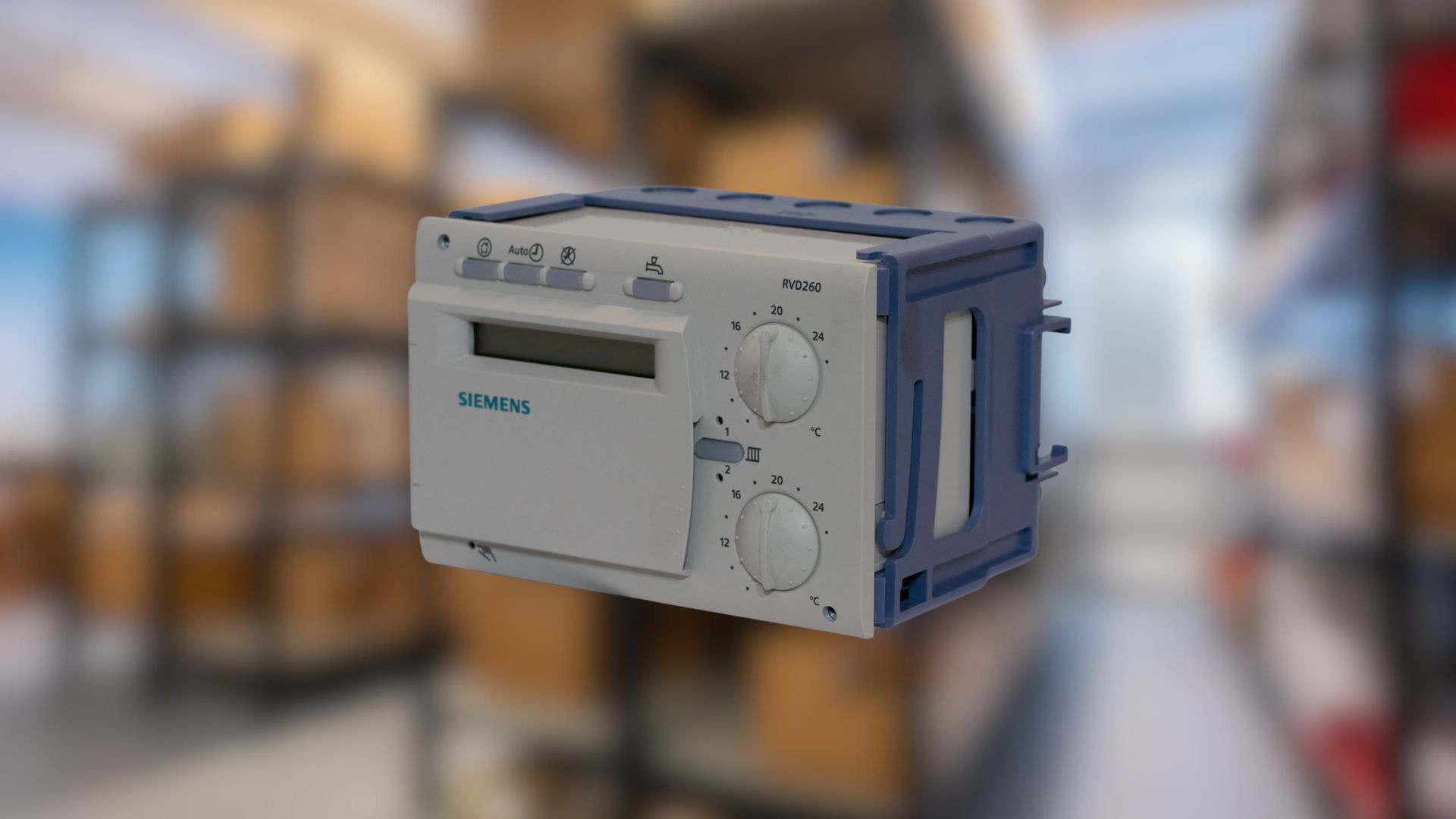
Siemens district heating control

Heating controller troubleshooting: How do you identify whether the controller or control valve is broken or just stuck?

When the heating in a property starts to show symptoms – for example, the radiator system temperature fluctuates or the domestic hot water is too cold or hot – attention quickly turns to the heat distribution room. The heating controller and the control valve it operates form a pair whose trouble-free operation ensures the property's energy efficiency and the residents' comfort. In the event of a fault, it is important to locate the true cause of the problem quickly in order to avoid unnecessary or incorrect component purchases.

When working with HVAC systems and building automation, troubleshooting often requires a rapid response. A malfunctioning heating system can quickly incur additional costs and, in the worst case, damage building structures or halt the entire heat distribution. A correct diagnosis saves money, as often simply loosening a stuck mechanical part restores the system to working order without expensive equipment purchases or draining the pipework. With these practical methods, you can reliably determine whether the issue is a mechanically stuck control valve, an electrically faulty actuator, a damaged sensor, or an electronic malfunction in the control unit itself.

(more…)

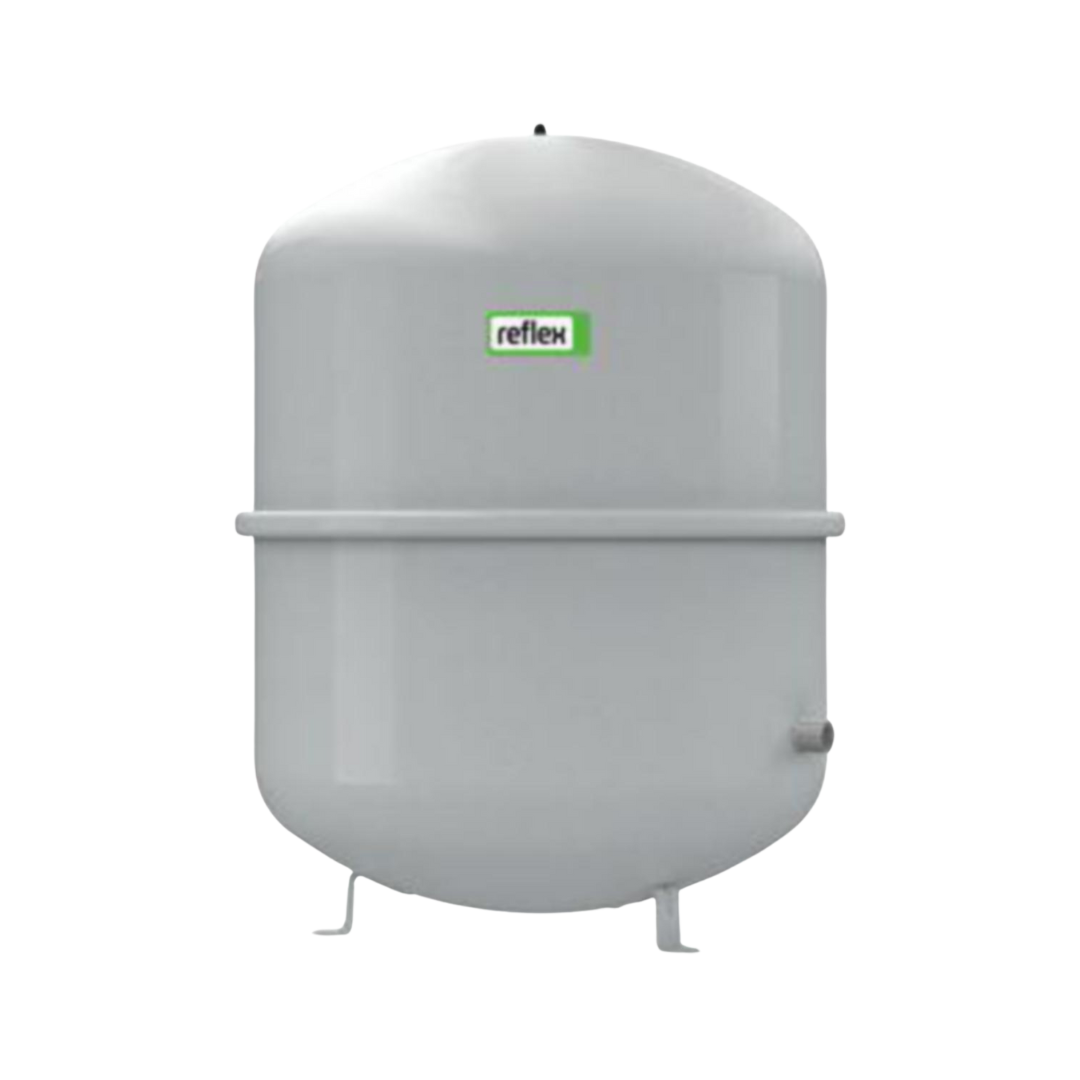
Reflex expansion vessel 140L

Diaphragm expansion vessel pre-charge: How is the pre-charge measured and adjusted in practice?

A diaphragm expansion vessel is a key component for the operation of a closed heating and cooling system, which accommodates the change in volume caused by the thermal expansion of water. The stable operation of the system, corrosion prevention and the long service life of pumps depend directly on the correct pre-charge pressure prevailing in the gas space of the expansion vessel. An incorrectly adjusted or unchecked pre-charge pressure leads to continuous pressure fluctuations, the unnecessary opening of safety valves and, in the worst case, system oxidation and equipment damage.

Understanding how a diaphragm expansion vessel works and maintaining it correctly are fundamental skills for an HVAC professional. Correct sizing of the expansion vessel and precise calculation of the pre-charge ensure the system functions properly. Measuring and adjusting the pre-charge in the field, on the other hand, require a methodical approach so that the most common installation errors can be avoided and the system's pressure level stabilised for a long time.

(more…)

Halton fire damper with motor FDI-200 GNA126.1ET12 Helvis Express

Maintenance and testing of fire dampers: How often must ventilation fire dampers be tested?

Building fire safety is largely based on compartmentalisation, which limits a fire and hazardous flue gases to as small an area as possible. The ventilation system poses its own challenges for this, as the ductwork penetrates the walls and ceilings between fire compartments. Fire dampers are therefore an important part of a property's passive fire protection. Their task is to close immediately in the event of a fire and prevent the spread of flames and toxic gases from one space to another via the ventilation ducts. For this protective mechanism to function reliably in a real situation, the devices must be maintained and tested regularly. The property owner bears a statutory responsibility for this.

(more…)

Express deliveries of valve actuators in Finland: How domestic stock and technical support secure the schedule of an HVAC project?

In building automation projects and property maintenance work, schedules are often tight. If a valve actuator fails during freezing winter weather or in the middle of the commissioning phase, the indoor climate conditions of the property will quickly begin to deteriorate. The operation of the HVAC system must be restored without delay. However, international supply chains and long delivery times from foreign central warehouses often cause significant delays. These delays turn out to be expensive for the contractor. Domestic stock availability and expert technical support ensure that installation work proceeds without unnecessary interruptions and saves time on site.

(more…)

Product has been added to your cart
Vertaile (0)