How a heating controller extends the lifecycle of a heating system
Properly functioning and of high quality thermostat not only guarantees a comfortable indoor temperature and saves energy, but it also protects the entire heating system from unnecessary strain. By reducing sudden starts, stops and overheating of the system, the heating controller helps to significantly extend its lifespan.
The heating system is one of the largest and most important investments in a home or property. Its flawless operation is the foundation of daily comfort, yet its longevity often receives less attention until problems arise. Many people do not stop to think that a small, often unassuming device, such as a heating controller, plays a crucial role in keeping the entire system in good condition. It is not just about even warmth, but about how intelligently and gently the heating system is controlled. Consistent and predictable operation, provided by a high-quality heating controller, reduces component wear and prevents premature faults. Next, we will take a closer look at how this important device acts as the protector of your heating system.
You will find a wide selection of modern thermostats For every property need from Helvis Express – choose an energy-efficient and easy-to-install heating controller tailored to your needs.
How precisely does a thermostat work to protect your system?
Heating controller is not merely for setting the temperature. Its intelligent operation directly affects the load on various parts of the heating system and consequently their durability. When the heating controller operates optimally, it minimises many factors that strain the system.
Right temperature controller's the choice becomes easier when you familiarise yourself to valve components Yes to valve motors, all of which can be found in our online shop.
Let's avoid continuous starts and stops (cycling)
One of the greatest strains on a heating system is continuous switching on and off, or so-called cycling. This phenomenon is common if the heating controller is inaccurate, poorly positioned, or if the system is incorrectly sized. Every start and stop causes mechanical and thermal stress on components such as pumps, valves, and burners. A high-quality heating controller, especially one that utilises PID control or other advanced algorithms, aims to maintain a steady temperature by anticipating heating demand. It does not react to every small temperature fluctuation with a sudden change in output, but instead makes more subtle adjustments. This significantly reduces the number of starts and stops, which saves components and extends their lifespan.
Optimum operating temperature and overheating prevention
The components of the heating system are designed to operate within a specific temperature range. Continuous overheating or excessively large and rapid temperature fluctuations can cause premature material fatigue, hardening of seals and even cracks. A good heating controller ensures that, for example, the circulation water temperature remains within safe and efficient limits. It prevents the system from “drifting” too hot due to sudden changes in outdoor temperature or other heat sources (such as sunlight), for example. By keeping the system temperature stable, thermostat protect its sensitive parts.
Example: Underfloor heating system protection
Underfloor heating pipes are sensitive to excessively high flow water temperatures. Correctly adjusted thermostat and the mixing valve ensures that excessively hot water cannot circulate in the pipework, which could damage both the pipes and the floor surfaces.
The interplay between the heating controller and the mixing valve ensures the optimal operation of underfloor heating. See our valve range recommended solutions.
A steadier pressure and flow in the system
Although the temperature controller does not regulate pressure directly, its impact on the smooth operation of the system is also reflected in the pressure and flow conditions. When the heating system operates smoothly without constant “jerks”, the water flow and pressure also remain more stable. Sudden changes can put a strain on the piping, joints and pumps. For example, if valves open and close constantly and rapidly, it can cause pressure surges in the system. A well-adjusted thermostat promotes smoother and more controlled operation.
Smart heating controls and predictive maintenance
Modern smart thermostats can provide additional protection for the system by gathering data on its operation. Some systems can:
- Detecting anomalies in normal operation, which may indicate an incipient fault.
- It provides reminders for regular maintenance tasks, such as changing filters or bleeding the system.
- In some cases, it even restricts the system's operation upon detecting a critical fault, thereby preventing greater damage.
This kind of proactive approach enabled by the smart thermostat helps to address minor issues before they snowball into major and expensive repairs, thereby protecting the entire heating system.
Less wear, more years of service: The effect of the controller on component life
As previously mentioned, the temperature controller plays a key role in the gentle operation of the heating system. When the system operates smoothly and without unnecessary stress peaks, its individual components are subject to less wear and tear. This directly translates to a longer lifespan and fewer unexpected repair needs.
Pumps and motors: Smooth running saves bearings and seals
Circulation pumps and other motorised components, such as fans, are in constant motion during the heating season. Every start-up causes a small current surge and mechanical stress on the bearings and seals. The more often a pump has to start and stop, the faster these wearing parts fatigue. An efficient heating controller significantly reduces these start-up cycles, allowing the pump to run for longer periods at a steady speed. This reduces bearing wear, keeps the seals in better condition and can even lower electricity consumption, as constant start-ups consume more energy than steady running.
Valves and actuators: Less movement, longer life
Control valves and their actuators (motors that open and close the valves) are in constant motion as the heating controller regulates the flow of heat. If the controller is overly sensitive or the system is unbalanced, the valves may “hunt” back and forth while trying to maintain the set temperature. This continuous movement wears down the internal parts of the valve, such as the seat and seals, and puts strain on the actuator's motor and gears. A modern, well-tuned heating controller makes more subtle and infrequent adjustments, which extends the lifespan of both the valves and their actuators.
Burners and heat exchangers: A gentler heating cycle
For oil and gas burners, every ignition and shut-down causes strain. During the ignition phase, components experience rapid temperature change and mechanical stress. By reducing the number of ignitions and shut-downs, thermostat helps to extend the lifespan of the burner and its components, such as nozzles and ignition electrodes. Similarly, in heat exchangers, whether in a boiler or a district heating substation, more gradual temperature fluctuations reduce material fatigue and fouling. Continuous rapid heating and cooling can cause micro-cracks and reduce heat transfer efficiency over time. A high-quality heating controller ensures that the heating cycles are longer and more steady.
Pipework and joints: Less stress caused by thermal expansion
All materials expand when heated and contract when cooled. The pipework of a heating system is no exception. Although systems are designed to withstand normal thermal expansion, continuous large and rapid temperature fluctuations can stress the pipes and, in particular, their joints. Over time, this can lead to seal failure and leaks. When a heating controller maintains a more stable water temperature and prevents extreme fluctuations, it reduces the stress on the pipework and joints, helping to keep them leak-tight for longer.
In summary, the role of a high-quality heating controller is not limited to just comfort and energy savings. It is a key factor in protecting the entire heating system and maximising its lifespan. Investing in a good controller is an investment in the future of the whole system.
Optimised heating: Not only savings, but also a longer lifespan for the equipment
When talking about heating optimisation, energy savings and lower heating bills are often the first things that come to mind. These are indeed significant benefits, but optimised heating, centred around an efficient heating controller, also offers long-term benefits in terms of equipment durability. It is about the overall well-being of the system.
Optimised with the thermostat you extend the service life of the heating system and ensure the balanced operation of the system. See also valve motors, which, together with the controller, enable automatic and precise heating control.
Feedforward control vs. feedback control
Traditional, simple heat controllers often operate reactively: they only react once the temperature has already deviated from the set value. This often leads to fluctuations and an “on-off” type of system operation. Modern, especially smart, heat controllers aim for predictive control. They can take into account, for example:
- Changes in outside temperature and weather forecasts
- The effect of solar radiation on indoor temperature
- Of the building's insulation capacity and thermal mass
- Residents' habits and schedules
With this kind of predictive control, the heating controller can make subtle and timely adjustments to the heating output, thereby avoiding large fluctuations and unnecessary strain on the system. When the system does not constantly have to “correct” the situation, its components operate closer to optimal conditions, which reduces wear and tear.
Controlled temperature drops and rises
Programmable and smart thermostats make it possible to lower the temperature, for example, at night or when the home is unoccupied. This saves energy, but it is also important that raising the temperature back to a comfortable level happens in a controlled manner. Too rapid and intense an increase in heating can strain the system. More advanced thermostat is able to “gently” raise the temperature, so the heating system does not have to operate at its limits. This steady, anticipated load is considerably kinder to the equipment than sudden power surges.
Maintaining system balance
A well-designed and adjusted heating system is balanced. This means that heat is distributed evenly throughout the building and all parts of the system work in harmony. An unbalanced system can lead to some parts having to work harder than others to compensate for deficiencies. Although the thermostat itself does not balance the system (that is the job of HVAC design and installation), it helps to maintain the achieved balance by providing stable and predictable control. This prevents situations where, for example, one radiator circuit overheats while another remains cold, which could cause unnecessary strain on certain components.
Optimised heating is therefore not just a temporary cost-saving measure. It is long-term care for the entire heating system. When the heating controller ensures that the system operates efficiently, evenly and without unnecessary strain, it significantly contributes to the longevity of the equipment components and reduces the need for costly repairs and premature equipment replacements.
Smart controls supporting prevention: Detecting problems before they worsen
Modern smart thermostats are much more than mere thermostats. They are advanced devices that continuously collect and analyse data on the performance of the heating system. This data collection and smart algorithms enable the monitoring of system status and even the anticipation of potential issues, which is key to extending the equipment's lifecycle.
Identifying deviations based on operational data
The smart heating controller gets to know the normal operation of your home and heating system. It records information such as how quickly rooms heat up, how often the heating starts and how the outside temperature affects indoor conditions. If deviations from this learned normal state begin to occur in the system's operation, the smart controller can detect it. For example:
- If it takes longer than normal for the room to heat up, it may indicate that the radiator system needs bleeding, a drop in the circulation pump's output, or a problem with the heat source.
- If the system starts cycling more frequently than before, it may be a sign of a sensor fault, a valve problem or another control malfunction.
- Unexpected changes in energy consumption can also reveal hidden problems.
Early intervention regarding these anomalies, which the smart thermostat can report, helps prevent minor faults from developing into major and expensive repairs. This saves both money and system components.
Service reminders and assessment of service need
Some smart thermostats can give the user reminders for regular maintenance tasks, such as heating system inspection, filter replacement or chimney sweeping (if, for example, an oil or wood boiler is involved). Even more advanced systems might even assess maintenance needs based on actual usage and the state of the system, rather than just calendar time. Timely maintenance is one of the best ways to ensure a long and trouble-free service life for the heating system, and smart thermostat You can act as an important helper here.
Diagnostic tools and remote monitoring
Certain smart thermostats offer advanced diagnostic tools either directly to the user or to a maintenance company. These tools can provide more detailed information on the system status, potential fault codes and operational history. The possibility of remote monitoring allows an HVAC professional to view system operation remotely and even make certain adjustments without an on-site visit. This speeds up problem-solving and can prevent major damage if the issue can be addressed quickly. When thermostat acts as a “black box” for the system, facilitating troubleshooting and speeding up repairs, thereby reducing equipment downtime and strain.
The role of smart thermostats in predictive maintenance is therefore significant. They not only optimise energy consumption and comfort, but also act as vigilant guards that help keep the heating system healthy and operational for as long as possible.
Do you need help with installation or maintenance?
Helvis Express focuses on the expert sales of high-quality HVAC products and rapid deliveries. If your project also requires contracting, installation or maintenance services, our partner Helsingin LVIS Säätölaitepalvelu Oy will be happy to help.
Continue reading for more and get in touch with Helvis's team!
Related posts
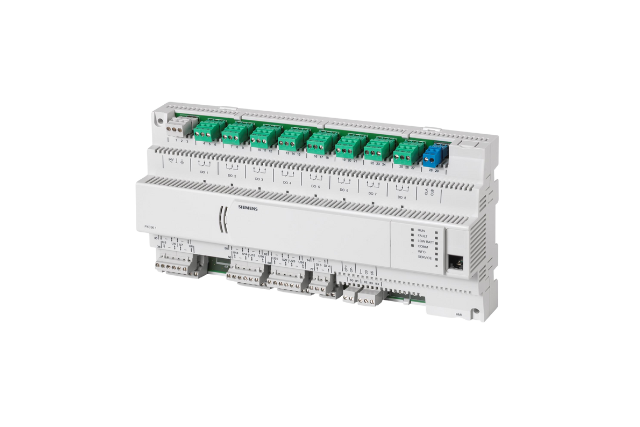
Substation communication protocols: What bus solutions must modern building automation support?
Ouman heating controller and spot price electricity in 2026: How to optimise property heating for the cheapest hours
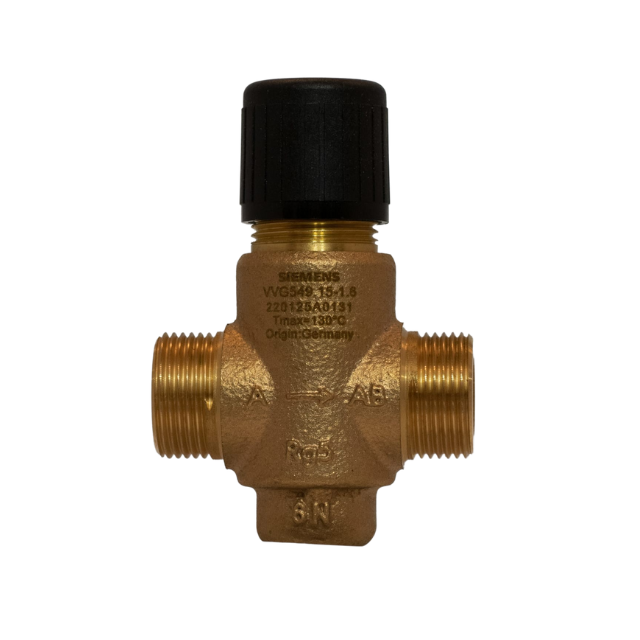
Commissioning valves in the heating network and their role in hydronic balancing
Fire damper functionality testing: How often must the statutory inspection be carried out?